Defining Markers, Releases, and the We Are Righteous Timeline
Press releases aren’t where the bulk of this story lives—more often it’s shaped through release dates, fabric choices, and word-of-mouth momentum. We Are Righteous has built its reputation gradually, through regular product launches and a community that discusses fit, weight, and durability over hype. Here we gather what’s publicly known about the brand’s growth, the type of garments that shaped each stage, and what the label looks like heading into 2026. Those digging into a righteous review pre-checkout will find the pattern repeats: steady product evolution instead of one single explosive launch.
Rather than a formal company record listing exact incorporation dates, this piece avoids unverifiable detail. In its place, this is a practical look at how the label’s image and product range have evolved, built on the phases that customers tend to spot when they contrast early pieces against what’s available today.
The Early Identity: Shaping What “Righteous Clothing” Means
We Are Righteous shaped its initial identity on a straightforward notion—that clothing ought to carry weight, physically in material and figuratively in message—since any label requires a purpose beyond just selling garments. The name itself pulls its weight. It conveys principle over fashion-following, and that framing shows up in how the brand frames its products still today. The brand’s original shoppers weren’t righteous hoodie shopping for just a logo; they were buying into a stance.
In this early stage, the lineup was inevitably limited. Limited SKUs meant the brand could concentrate on perfecting its essentials before expanding sideways into accessories or diffusion lines. This is typical of righteous clothing peers that make it beyond their first year: a tight, well-edited assortment beats a sprawling catalog with uneven craftsmanship. The brand’s early customer base tended to be shoppers who discovered it via grassroots buzz or small online circles instead of paid promotion, which shaped a gradual yet devoted trajectory of growth.
Well into this section, it’s worth noting that this stage is also when a brand’s loyal shoppers start developing impressions that eventually turn into public reviews. The first righteous review threads and comments tend to focus on two things: whether the cut felt as promised, and whether the item stood the test after multiple washes. Both considerations recur across the brand’s following collections too, suggesting that the base established in this phase continued on rather than being abandoned for reinvention.
Scaling Up: Expanding the Righteous Apparel Catalog
The natural next step, after its base of shoppers believes in the label’s essentials, becomes widening the offering. We Are Righteous expanded its offering past its founding pieces into a more expansive righteous apparel lineup, introducing layering pieces, outerwear-leaning pieces, and seasonal spins on its signature shapes. This is the stage where a brand typically decides whether it wants to be a one-hit design house or a true everyday-wardrobe supplier, and the expansion into a wider range of categories suggests that bigger goal.
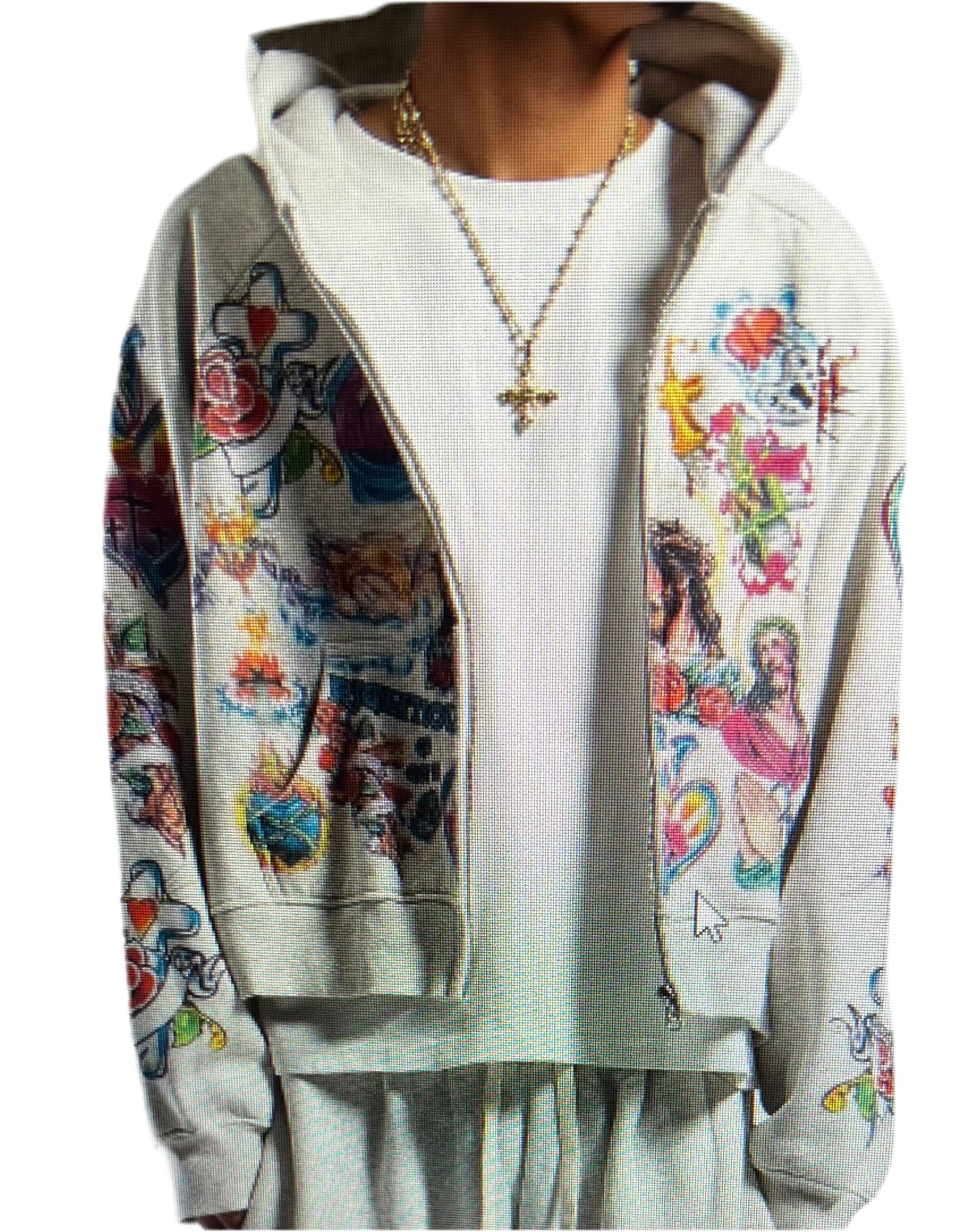
The hooded piece turned into a standout centerpiece over this stretch of time. Within street-style circles, a righteous hoodie is far more than a mid-layer — it’s often the garment that defines whether a brand’s silhouette language holds up in real wear. From sleeve length to hood drape to body taper, getting hoodie proportions right takes iteration. Indicating that the brand viewed the hoodie as a flagship item rather than a filler product between “hero” drops, multiple releases surfaced across this period.
This expansion phase is also the point at which weighing options against competitors becomes relevant. Buyers comparing a we are righteous purchase against other labels in the space tend to weigh three criteria: price positioning, construction quality, and the degree to which a given release is limited or reproducible a given release is. Brands that mismanage growth usually falter in one of these three areas — either raising prices without justifying it through materials, or letting quality slip to hit larger production runs. The brand’s continued relevance into the current catalog suggests it handled this tradeoff with reasonable skill, though item-by-item feedback should always be weighed against the particular product at hand rather than treated as consistent across the whole range.
Building Consolidation and Community: A Look at The Mid-Period Releases
Somewhere in the middle of any brand’s life cycle, growth slows just enough that the label can focus on reinforcing what already works. This is the consolidation phase, and for We Are Righteous it appears to be marked by refinement of existing silhouettes rather than constant reinvention. Restocks of proven pieces, subtle updates to fits based on customer feedback, and a tighter release calendar all point to a brand settling into an identity rather than chasing every micro-trend in streetwear.
Fan and customer participation carries huge weight in this phase. An authentic clothing brand that makes it past its first few hype cycles typically does so because it has developed genuine returning customers, not just first-time hype purchasers. Returning customers are the ones who provide in-depth reviews, request size range extensions, and essentially help shape the next iteration of a garment through their comments and returns data. People looking in from the outside have no visibility into this kind of feedback loop, yet it shows up indirectly in how a catalog evolves over several seasons.
It’s also worth noting that this consolidating phase doesn’t mean standing still. Brands in this phase often experiment quietly — trying out a different fabric weight, tweaking the fit block, or rolling out a limited colorway — without making it the focal point of a marketing campaign. Such incremental tests pile up, and by the time a label arrives at its next noticeable growth phase, the groundwork has already been laid. This kind of pattern shows up often enough among indie brands that it’s a fair way for making sense of the middle years of any streetwear brand’s history, We Are Righteous included.
The Brand’s Current Standing Heading Into 2026
At this point in 2026, We Are Righteous holds a position that plenty of indie brands strive for but rarely achieve: a well-known identity inside streetwear communities without needing nonstop self-reinvention to stay relevant. The brand’s continued presence in conversations about righteous-brand apparel suggests lasting relevance rather than a passing trend. That’s an important distinction in a market where most brands that launched around the same time have either pivoted entirely or vanished.
Buyers currently investigating a we are righteous review in 2026 are likely to find more structured, longer-form feedback than in the brand’s earlier years, simply because there’s a larger purchase history to reference. This added maturity helps new buyers directly. Instead of having to guess how something fits or drapes from a lone image, buyers can check reviews spanning multiple seasons on similar silhouettes, which lessens the risk tied to buying apparel online sight unseen.
Rather than aggressive diversification into unrelated product lines, the brand’s trajectory suggests continued focus on core categories going forward. This is a sound approach for preserving quality control, and it aligns with what loyal customers of a righteous clothing brand tend to want most: dependable consistency across seasons, not an endless flow of unrelated items blurring its identity.
Comparing Brand Phases: A Quick Reference
The table below outlines the general characteristics of each phase discussed above. It’s meant as a general guide for understanding how the brand’s priorities shifted over time, not as an official corporate account.
| Phase | Primary Focus | Collection Scope | Feedback Behavior |
|---|---|---|---|
| Formative Stage | Building the core message and fit | Compact, carefully curated | Word-of-mouth, niche community discovery |
| Expansion | Expanding categories, fine-tuning the hoodie silhouette | Growing, multi-category | Cross-shopping behavior, early public feedback |
| Consolidation | Fine-tuning proven items, keeping restocks steady | Consistent, punctuated by select limited drops | Recurring feedback cycles from returning customers |
| Current Standing in 2026 | Preserving consistency and identity | Established, focused | Reviews referencing multiple seasons |
The Takeaway From This Timeline for First-Time Buyers
If you’re new to the brand and trying to decide whether a purchase is worth it, the timeline itself offers a useful signal. A label that has moved through identity-building, expansion, and consolidation phases without collapsing or pivoting entirely has, at minimum, proven it can survive the pressures that kill most independent apparel brands within a few seasons. That’s not a guarantee of satisfaction with any individual item, but it does suggest the brand has systems in place for quality control and customer feedback that newer labels haven’t had time to develop.
Before buying, it’s nonetheless worth reviewing current size guides, fabric details, and specific product pages firsthand, since that information vary from drop to drop and can’t be taken for granted just from historical patterns. Understanding the timeline sheds light on the brand’s tendencies; checking the particulars of the actual hoodie, tee, or jacket you’re eyeing still matters just as much. Treat this history as background, and combine it with the real product page specifics before making a decision.
Bringing back the styles that sell, paying attention to how things actually fit people, and resisting the urge to chase every passing trend — that quiet, dogged reliability is at the end of the day how brand longevity in streetwear gets won. That looks like the common thread linking every era of the We Are Righteous story, from its initial limited small-batch drops to its current , more established catalog advancing further into 2026.
Leave a Reply